More Than a Yard Sign: 10 Powerful, Lasting Ways Your Community Can Stand Behind Its First Responders
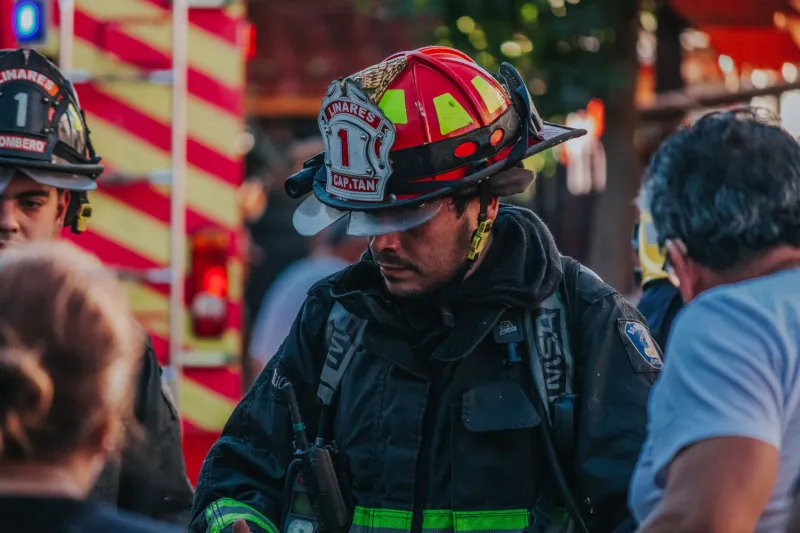
Every American community has them—the blue-line flags on front porches, the "We Support Our Police" banners stretched across Main Street storefronts, the fire department appreciation week proclamations read aloud at town council meetings. These expressions of goodwill are sincere, and they matter. But America's first responders—the firefighters who enter burning buildings, the police officers who run toward danger, the paramedics who make life-or-death decisions in the back of an ambulance—deserve more than sentiment.
They deserve action.
Across the United States, a growing number of communities have moved beyond symbolic support to implement tangible, sustainable programs that make a measurable difference in the lives of those who protect and serve them. What follows is a practical roadmap drawn from those real-world examples—ten ways your town, city, or county can demonstrate that its gratitude is genuine.
1. Fund and Formalize Peer Support Programs
One of the most effective interventions for first responder mental health is also one of the most underutilized: peer support. These programs pair trained first responders with colleagues who are experiencing job-related stress, trauma, or personal crisis—creating a channel for help that bypasses the stigma often associated with formal counseling.
In Fairfax County, Virginia, the police department's peer support team has operated for over two decades and is widely credited with reducing officer suicide rates and improving departmental morale. The model works because it is built on trust between people who share the same lived experience. Communities can support these programs by allocating municipal funding, advocating for dedicated peer support coordinator positions, and encouraging local mental health providers to offer training to first responder volunteers.
2. Advocate Loudly for Competitive Compensation
No gesture of community appreciation carries more weight than a living wage. Across much of rural and suburban America, firefighters and paramedics earn salaries that fall well below what their responsibilities demand. Many departments rely heavily on volunteer labor precisely because local budgets cannot sustain adequate full-time staffing.
In 2021, the city of Chattanooga, Tennessee, implemented a significant pay restructuring for its fire department after a citizen-led advocacy campaign drew sustained attention to the compensation gap. The effort was organized not by politicians but by residents who recognized that underpaid first responders eventually become former first responders. Attend your local budget hearings. Speak during public comment periods. Make the case that competitive pay is not a luxury—it is a public safety investment.
3. Establish a Local First Responder Foundation
Several communities have created nonprofit foundations dedicated exclusively to supplementing the needs of local first responder departments—funding equipment purchases that fall outside municipal budgets, providing financial assistance to families of responders killed or injured in the line of duty, and supporting wellness initiatives that government funding rarely covers.
The Firefighters and EMS Fund, based in Texas, serves as one national model, but locally organized foundations carry the added benefit of community ownership and accountability. Forming a 501(c)(3) organization requires modest legal groundwork but can generate significant ongoing revenue through annual galas, corporate sponsorships, and individual donations.
4. Push for Modern, Adequate Equipment
Outdated equipment is not merely an inconvenience—it is a hazard. Aging turnout gear, obsolete radio systems, and understocked ambulances place first responders in unnecessary danger and compromise their ability to serve the public effectively.
In Garrett County, Maryland, a coalition of local business owners and civic leaders raised funds to supplement the county's fire equipment budget after a departmental audit revealed that several trucks were operating well beyond their recommended service life. The coalition's work resulted in the procurement of two new apparatus units within eighteen months. Your community can replicate this model by first requesting a transparent equipment audit from your local departments and then organizing public and private sector resources to address identified deficiencies.
5. Create Dedicated Wellness and Fitness Facilities
The physical demands of first responder work are extraordinary, yet many departments lack adequate on-site fitness facilities or access to wellness programs tailored to occupational health needs. Cardiac disease remains the leading cause of line-of-duty death among firefighters in the United States—a statistic that is, in significant part, preventable.
Several cities, including Columbus, Ohio, have partnered with local fitness centers and hospitals to provide first responders with subsidized gym memberships and annual cardiovascular screenings. Some communities have gone further, funding the construction of dedicated wellness centers within fire stations. These investments reduce disability claims, extend careers, and save lives.
6. Organize Family Support Networks
The families of first responders bear a share of the occupational burden that is rarely acknowledged publicly. Spouses manage households alone during long shifts and extended crises. Children grow up acutely aware that a parent's job carries mortal risk. The cumulative stress is real and documented.
In St. Paul, Minnesota, a volunteer-organized family support network provides childcare assistance, meal delivery, and social connection opportunities for first responder families during high-demand periods such as major emergencies or extended investigations. The network is sustained entirely through community volunteerism and has been replicated in at least a dozen other cities. Establishing a similar program in your community requires little more than organized commitment and a clear communication channel with local departments.
7. Champion Legislative Priorities at the State Level
Many of the most significant improvements in first responder welfare require state-level action—presumptive cancer coverage for firefighters, workers' compensation reforms for PTSD-related disabilities, and mandatory mental health check-ins for officers involved in critical incidents. These policies do not materialize without constituent pressure.
Connecticut became one of the first states to enact comprehensive PTSD presumption legislation for first responders in 2018, largely due to sustained advocacy by both first responder unions and engaged citizens. Contact your state legislators, attend town halls, and make clear that first responder welfare legislation is a voting issue for your household.
8. Implement Regular Community Recognition Programs
While we have established that gestures alone are insufficient, structured, ongoing recognition programs—distinct from one-time ceremonies—do contribute meaningfully to morale and retention. The key word is "ongoing."
The city of Naperville, Illinois, operates a year-round "Hero of the Month" program through which residents nominate first responders for acts of exceptional service. Nominees are recognized at city council meetings, profiled in the local newspaper, and celebrated at an annual banquet. The program costs relatively little to administer but has been shown, through departmental surveys, to positively affect job satisfaction and community connection.
9. Integrate First Responder Education Into Schools
Building long-term community support for first responders begins with the youngest citizens. School programs that bring firefighters, officers, and paramedics into classrooms—not merely for show-and-tell, but for substantive discussions about service, sacrifice, and civic responsibility—cultivate a culture of genuine appreciation that endures into adulthood.
Several school districts in the Midwest have incorporated first responder career education modules into their middle and high school curricula, simultaneously fostering respect for the profession and building a pipeline of future recruits. Partnering with your local school board to develop or expand such programming is an investment with generational returns.
10. Show Up When It Matters Most
Finally, and perhaps most simply: be present. Attend line-of-duty death memorials. Show up at fundraisers for injured officers. Bring a meal to a fire station during a difficult week in the news cycle. Write a letter—not an email, a letter—to a department expressing specific, sincere gratitude for a specific act of service.
These acts of presence communicate something that no municipal budget line can: that the people of this community see their first responders as human beings worthy of personal connection, not merely as public services to be consumed.
America's first responders have chosen professions defined by sacrifice. The communities they protect owe them more than appreciation in the abstract. They owe them action, advocacy, and the kind of sustained commitment that endures long after the ceremonial banners have come down.